Your mix isn'tbroken.Your ears haven'tbeen trained yet.
A channel for bedroom producers, indie artists, and engineers who know their tools but haven't yet learned to listen. Every video is a lesson in perception before technique.
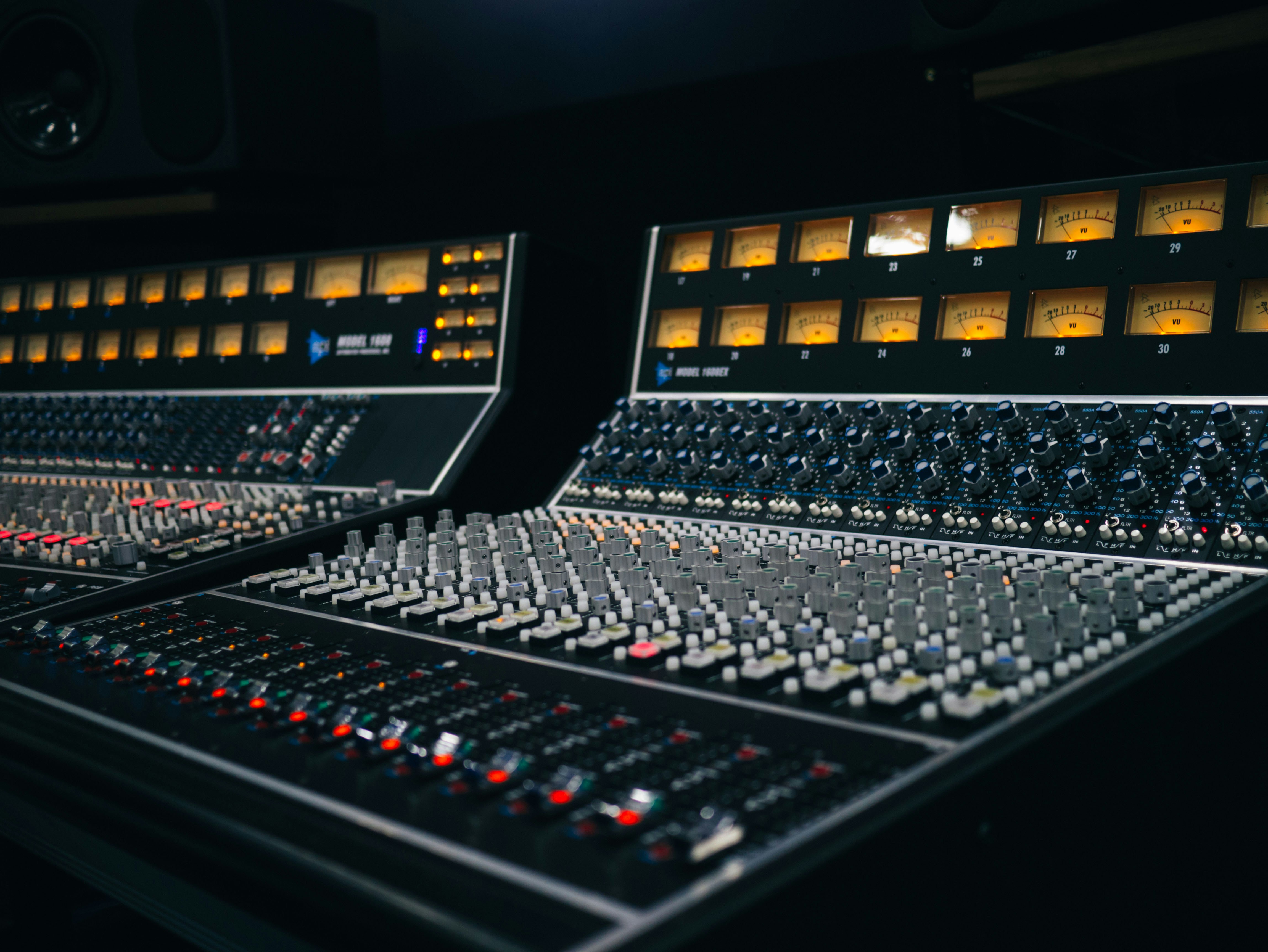
Compression is listening,not processing.
The compressor is not a tool that does something to sound — it is a mirror that reveals what you have not yet heard. When a transient slips past your threshold unnoticed, that is not a technical failure. It is an invitation to listen more slowly. A master engineer does not set attack and release by numbers. They set them by feel, by breath, by the natural decay of the room the musician stood in. Compression is the practice of presence applied to physics.
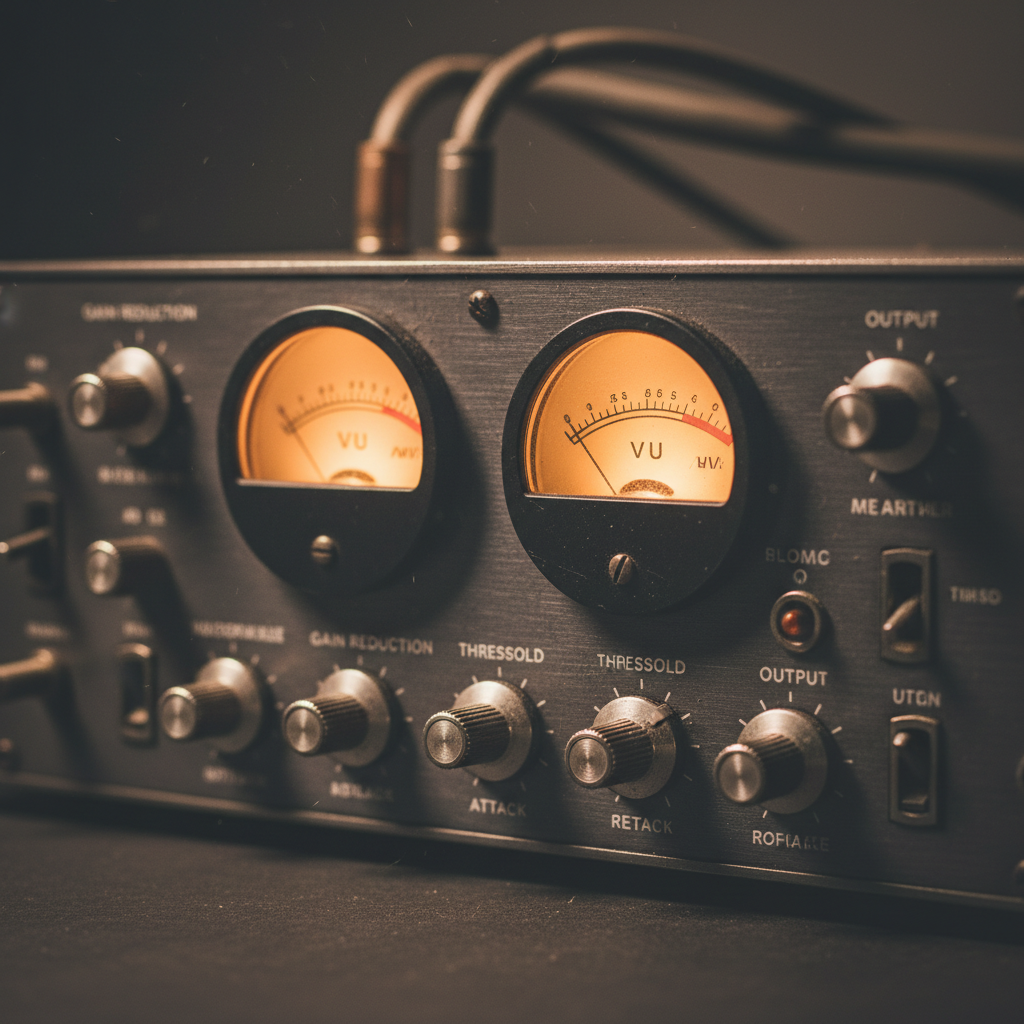
Compression · Fundamentals
The Compressor as a Listening Device
A deep walk through ratio, attack, and release using only your ears — no numbers until the end.
Watch FreeReference tracks aremirrors, not maps.
You cannot reach a destination you have never seen. But a reference track is not a road to follow — it is a window into another engineer's decisions, another room's acoustics, another moment in time. When you A/B your mix against a reference, you are not asking "why does mine sound different?" You are asking "what did they hear that I am not hearing yet?" The gap between your mix and the reference is not failure. It is the exact location of your next lesson.
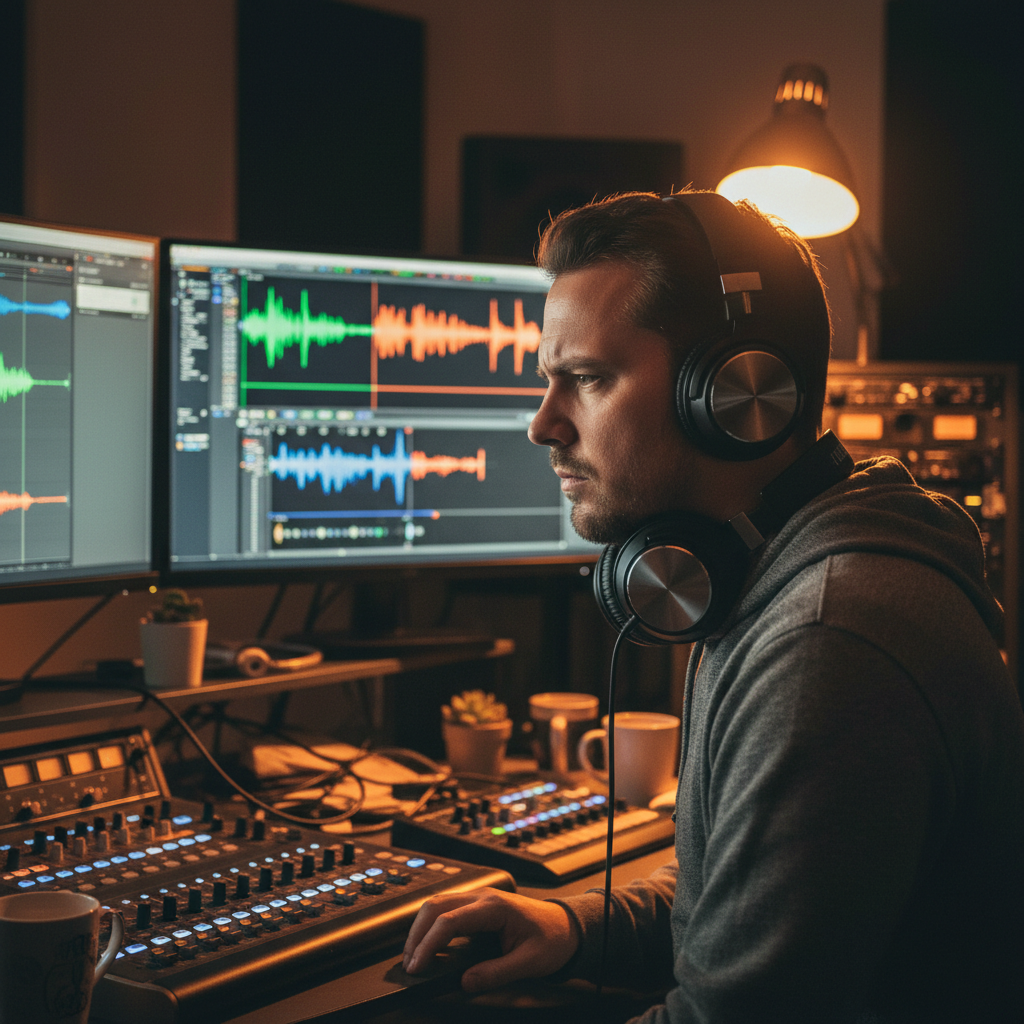
Workflow · Ear Training
How to Actually Use Reference Tracks
The reference track workflow that trains your ears faster than any course — with a downloadable frequency comparison chart.
Watch FreeLow end isfelt before it'sheard.
The sub frequencies below 80Hz do not arrive through your ears first. They arrive through your chest, through the floor, through the resonance of the chair you sit in. This is why mixes that sound powerful on studio monitors collapse on laptop speakers — the engineer mixed what they heard, not what they felt. Building low end that translates means understanding that bass is a physical experience before it is an auditory one. You cannot EQ what you cannot feel.
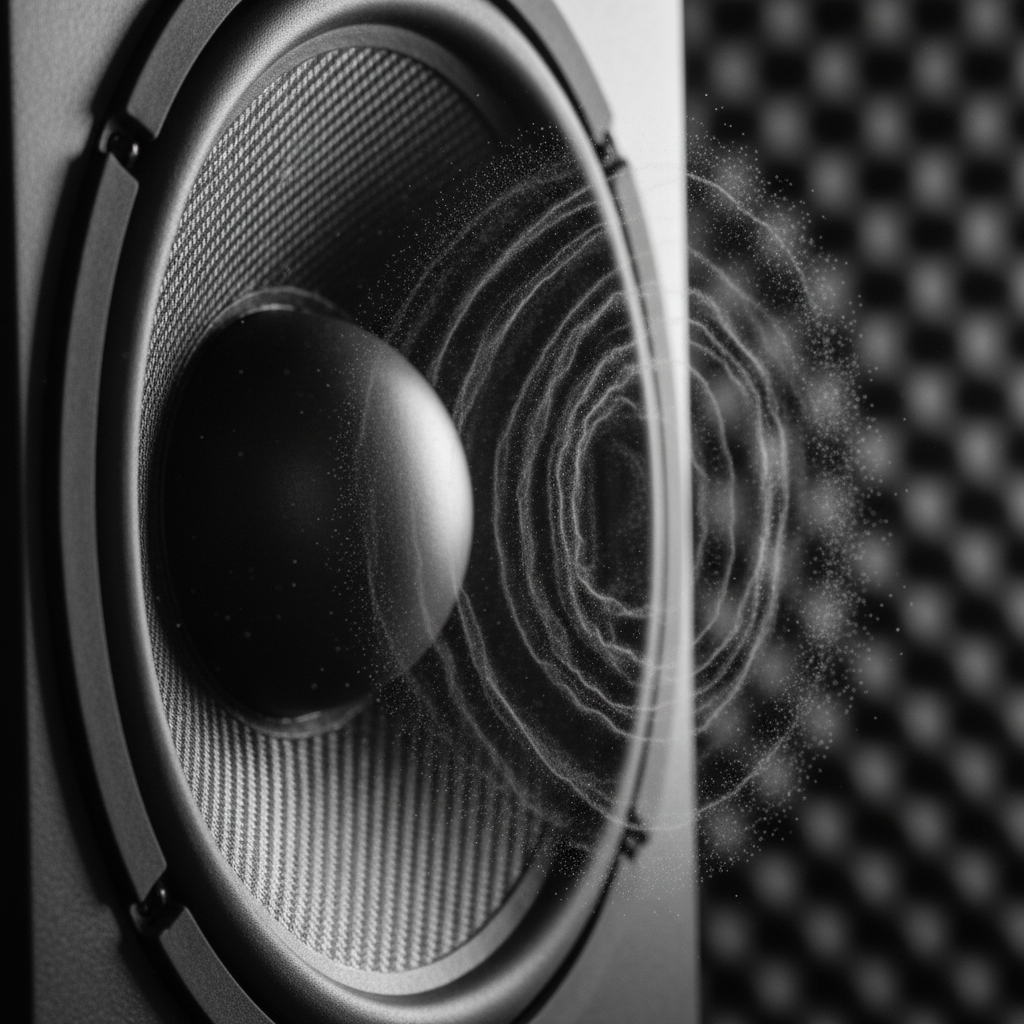
EQ · Low Frequency · Translation
Low End Translation: From Sub to Speaker
Why your kick and bass fight each other, and the sidechain + EQ relationship that fixes it permanently.
Watch FreeEvery tutorial is ungated. The teaching earns your trust before we ask for your email.
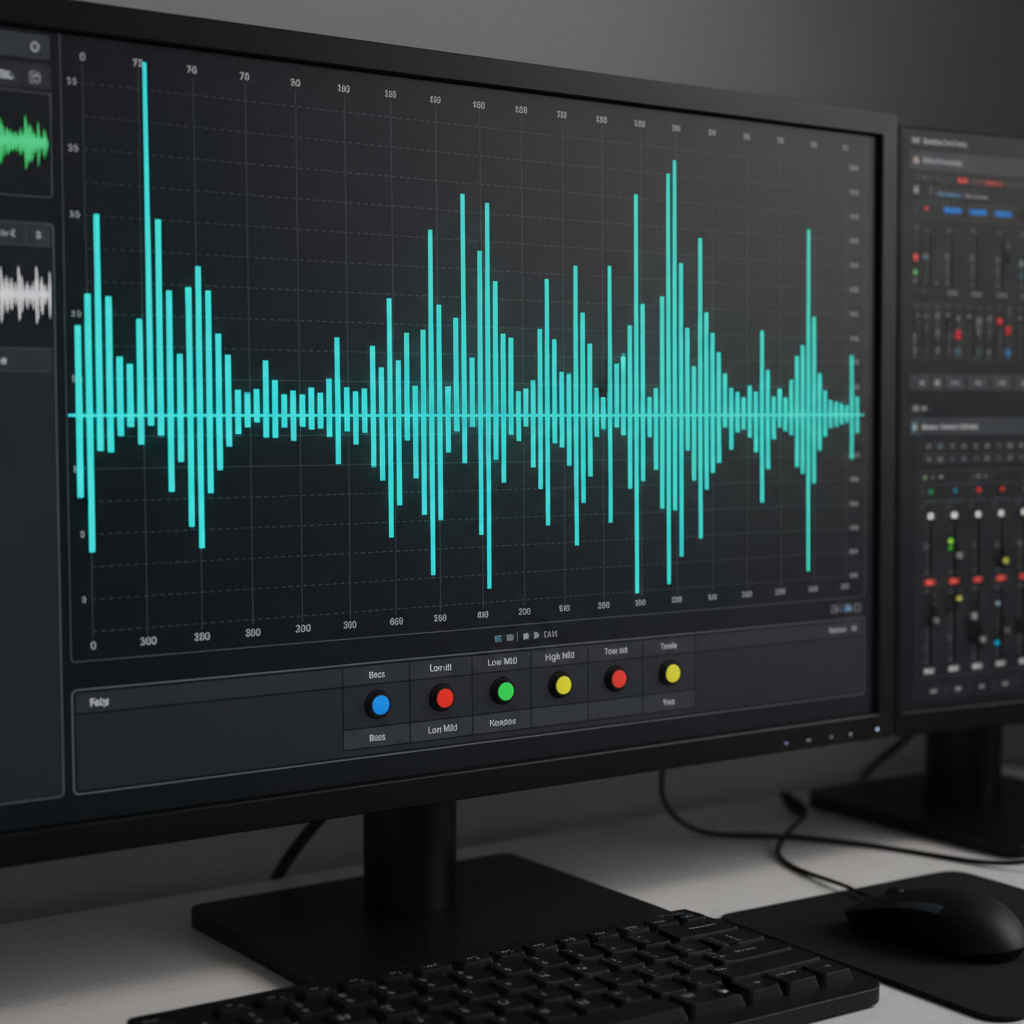
EQ
Subtractive EQ: What to Remove Before You Add
The habit that separates amateurs from professionals is knowing what not to do.
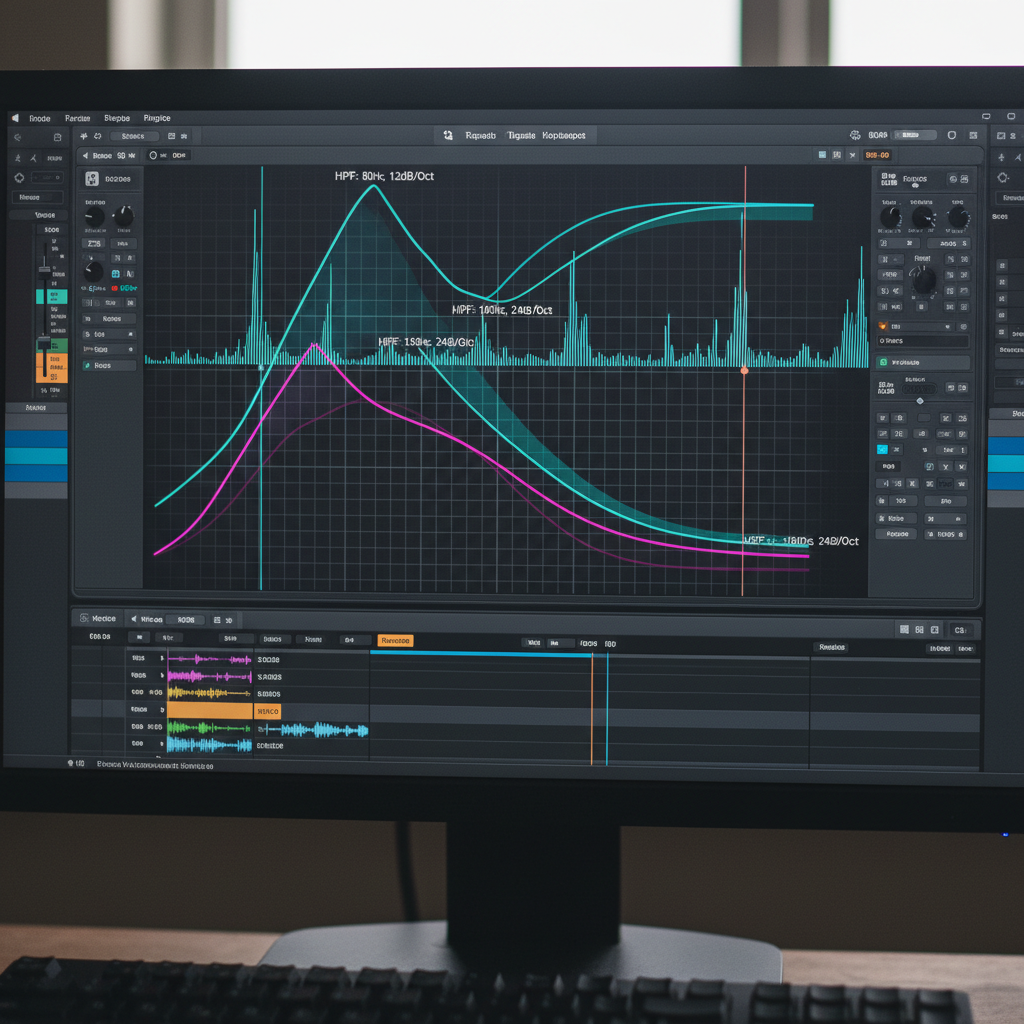
EQ
High-Pass Filtering Without Destroying Your Mix
Every filter has a phase cost. This is how to spend it wisely.
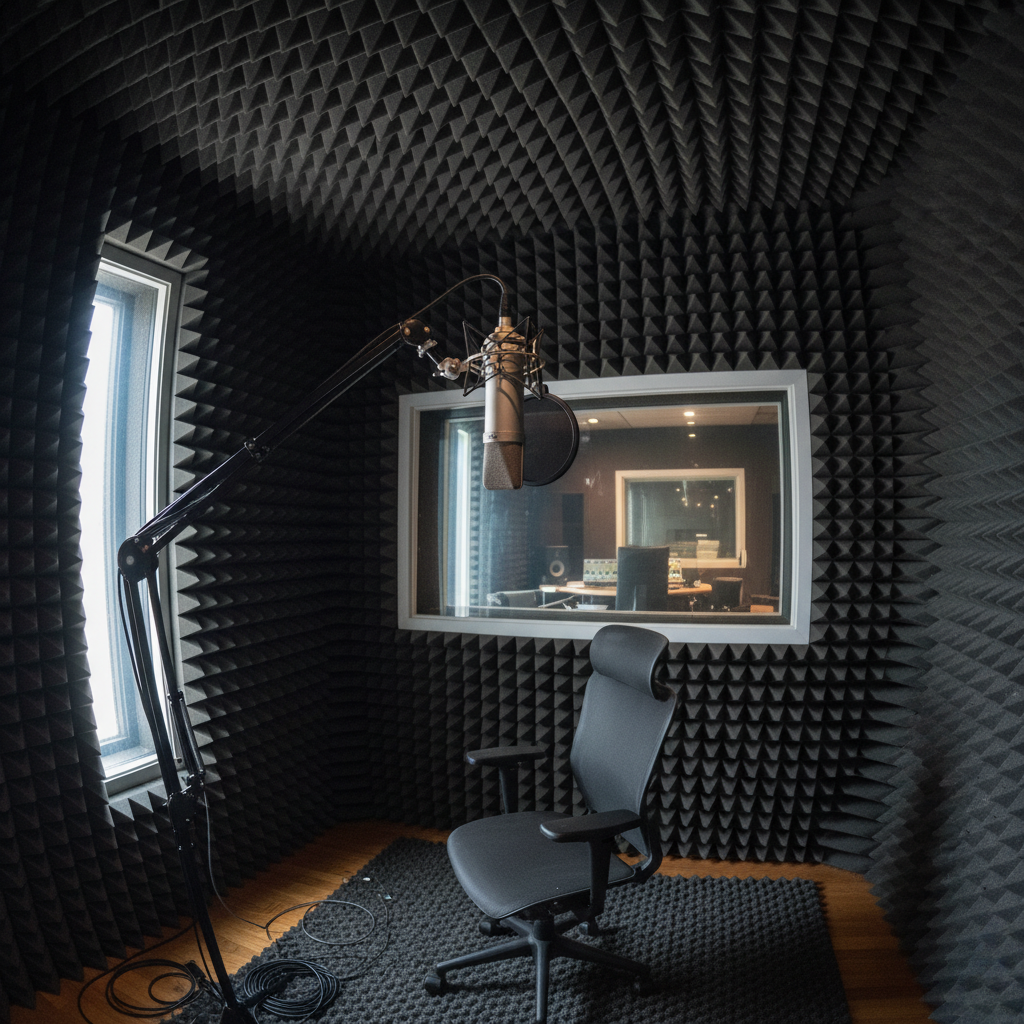
EQ · Vocals
Surgical EQ on Vocals: The Three Cuts That Matter
200Hz, 500Hz, 3kHz — why these ranges define whether a vocal sits or fights.
One email unlocks the complete mixing framework PDF — a signal chain walkthrough from gain staging to final limiter — and a curated playlist of 14 foundational tutorials in sequence.
47 pages · Signal chain to master
14 tutorials · Foundational sequence
Printable · Instrument ranges
What changes when
you learn to hear.
Real engineers. Real outcomes.
I'd watched hundreds of tutorials before finding this channel. The difference is that every video starts with why before how. I finally understand why my kick was fighting my bass — not just how to fix it.
Marcus Webb
Bedroom producer, Atlanta
First EP released after 3 years of "almost there"
I mixed my own album because I couldn't afford an engineer. After going through the vocal treatment series, a mastering engineer told me the vocals were "surprisingly well-placed." That meant everything.
Priya Nair
Singer-songwriter, London
Album placed in 4 independent playlists
The reference track video changed how I listen to music entirely. Not just for mixing — for everything. I hear differently now. That's the only way I can describe it.
Daniel Kowalczyk
Intermediate engineer, Warsaw
Moved from bedroom to freelance mixing
47K
Subscribers
3.2M
Tutorial views
89
Free tutorials
4.9★
Average rating